Call Us
Text Us
Book Now

Professional Teeth Whitening

Professional teeth whitening procedures are typically carried out by dentists or dental professionals using various techniques to lighten the shade of your teeth. One common method involves applying a bleaching agent, usually containing hydrogen peroxide, directly to the teeth. This agent breaks down stains and discoloration, resulting in a brighter smile.

In-office whitening procedures usually take about one to two hours and can significantly improve the appearance of your teeth in just one session. Some dentists also offer take-home whitening kits, which involve custom-made trays filled with whitening gel that you wear for a specified period each day over the course of several days or weeks.

Professional teeth whitening tends to be more effective and quicker than over-the-counter options, and the results can last for a year or more with proper maintenance. However, it’s essential to consult with a dentist before undergoing any whitening treatment to ensure it’s safe and suitable for your dental health. Additionally, professional whitening may not be suitable for everyone, such as pregnant or lactating women or individuals with certain dental conditions.

Dental Implants

Dental implants are fascinating innovations in dentistry! They’re essentially artificial tooth roots made of biocompatible materials like titanium that are surgically placed into the jawbone to support replacement teeth or bridges. One of the most remarkable aspects of dental implants is their ability to integrate with the bone over time through a process called osseointegration. This creates a strong and stable foundation for the replacement teeth, mimicking the function and appearance of natural teeth. Dental implants have revolutionized the field of restorative dentistry, offering a long-term solution for tooth loss that enhances both oral health and quality of life for many patients.

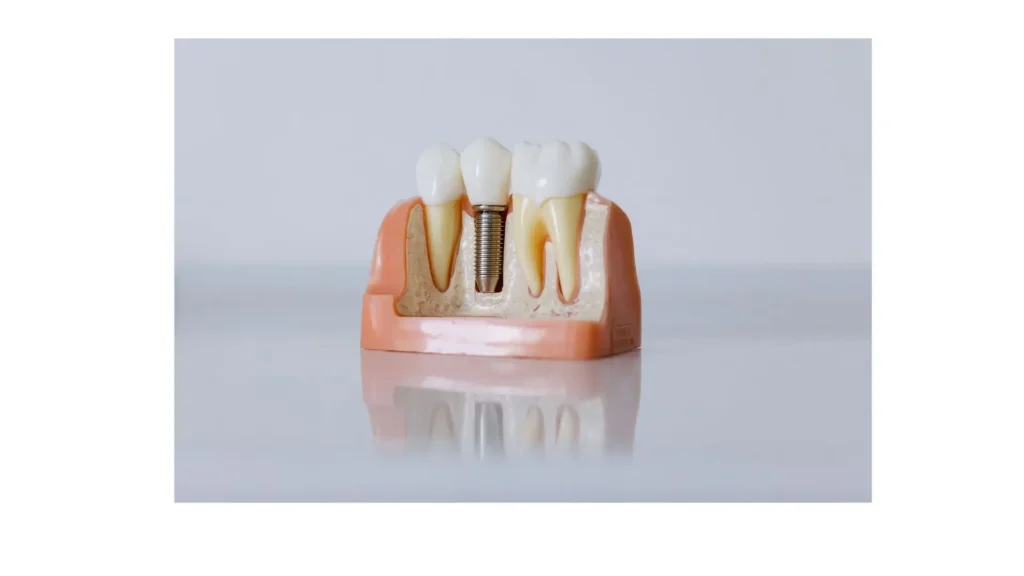
Single dental implants are a fantastic option for replacing a single missing tooth. They consist of three main components: the implant fixture, the abutment, and the dental crown.

  1. Implant Fixture: This is a small screw-like post usually made of titanium that is surgically placed into the jawbone. It serves as the artificial tooth root and provides a sturdy foundation for the replacement tooth.
  2. Abutment: Once the implant fixture has integrated with the jawbone, an abutment is attached to it. The abutment protrudes above the gum line and acts as a connector between the implant fixture and the dental crown.
  3. Dental Crown: The dental crown is the visible part of the implant and is custom-made to match the shape, size, and color of your natural teeth. It is attached to the abutment and provides the aesthetic appearance and function of a natural tooth.

Single dental implants offer several benefits, including improved aesthetics, stability, durability, and preservation of surrounding teeth. They also help prevent bone loss in the jaw, which can occur after tooth loss. Overall, single dental implants are a reliable and long-lasting solution for replacing a single missing tooth.

How Veneers Work

Dental Veneers

Dental veneers are thin, custom-made shells typically made of porcelain or composite resin that are bonded to the front surface of your teeth to improve their appearance. They’re a popular cosmetic dental treatment used to address various dental issues and enhance the aesthetics of your smile.

Here’s what you should know about dental veneers:

  1. Cosmetic Enhancement: Veneers can effectively correct a range of dental imperfections, including discoloration, chips, cracks, gaps between teeth, and minor misalignments. They provide a natural-looking solution for achieving a brighter, more symmetrical smile.
  2. Customization: Veneers are customized to match the shape, size, and color of your natural teeth, ensuring a seamless blend with your smile. Your dentist will work closely with you to select the shade and characteristics that best complement your facial features and desired outcome.
  3. Procedure: The process of getting veneers typically involves two or three dental visits. During the initial consultation, your dentist will discuss your goals and examine your teeth to determine if veneers are suitable for you. The teeth receiving veneers are then prepared by removing a small amount of enamel to accommodate the thickness of the veneers. Impressions of your teeth are taken, and temporary veneers may be placed while the permanent ones are being fabricated. Once the veneers are ready, they are bonded to your teeth using a strong dental adhesive.
  4. Durability: Porcelain veneers are highly durable and resistant to staining, making them a long-lasting solution for enhancing your smile. With proper care and maintenance, veneers can last for many years before needing replacement.
  5. Maintenance: Veneers require regular oral hygiene practices, including brushing, flossing, and routine dental check-ups. Avoiding excessive force or pressure on the veneers, such as biting hard objects or using teeth as tools, can help prolong their lifespan.

Overall, dental veneers offer a minimally invasive and effective way to achieve a radiant smile and boost your confidence. If you’re considering veneers, consult with a qualified dentist to determine if they’re the right option for you and to discuss your treatment goals.

Dental Implants vs Bridges

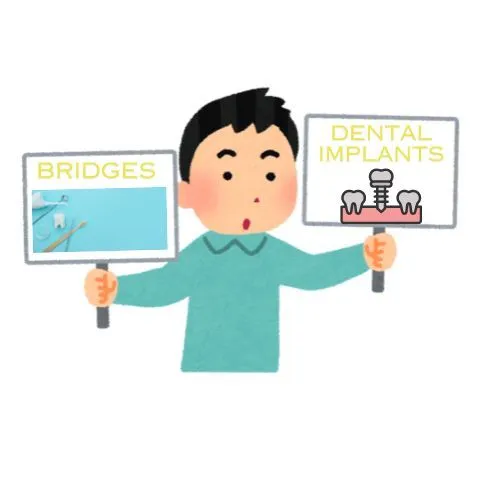
Dental implants and bridges are both common solutions for replacing missing teeth, but they have some key differences:

  1. Implants:
  • Implants are titanium posts surgically placed into the jawbone, acting as artificial tooth roots.
  • They provide a strong foundation for single tooth replacement or to support bridges and dentures.
  • Implants can last a lifetime with proper care.
  • They preserve bone density in the jaw and don’t require adjacent teeth to be altered.
  1. Bridges:
  • Bridges are dental prosthetics that consist of artificial teeth (pontics) anchored to adjacent natural teeth (abutments).
  • They’re typically used when one or more teeth are missing consecutively.
  • Bridges are less invasive and generally less expensive than implants.
  • However, they require the alteration of adjacent healthy teeth, which can weaken them over time.
  • Bridges may need to be replaced every 5-15 years, depending on care and maintenance.

Choosing between implants and bridges often depends on factors like overall oral health, the number of missing teeth, bone density in the jaw, and personal preferences. While implants tend to be more durable and have long-term benefits for jaw health, bridges can be a suitable option for some patients, especially if cost or other factors are a concern. It’s essential to discuss your options with your dentist or prosthodontist to determine the best solution for your specific needs.